Geothermal Energy: Efficiency Without Compromising Aesthetics
Geothermal Energy: Invisible Power for Historic Buildings — Maximum Efficiency, Zero Visual Impact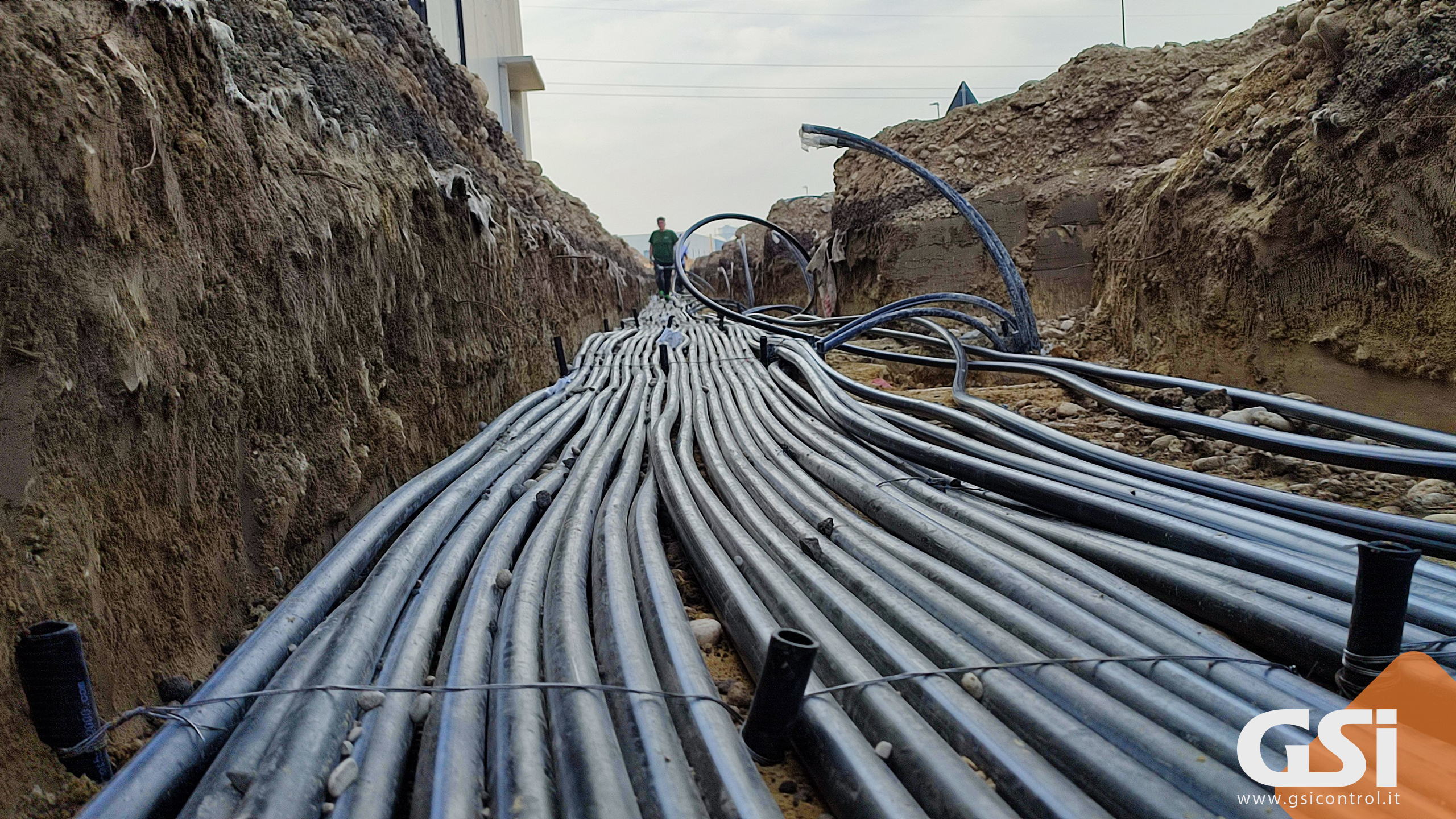
Working on historic buildings or those located in protected landscapes presents a fascinating challenge: how can we ensure energy efficiency and comfort without altering the architectural aesthetics? In such contexts, low-enthalpy geothermal energy has proven to be one of the most effective and discreet solutions.
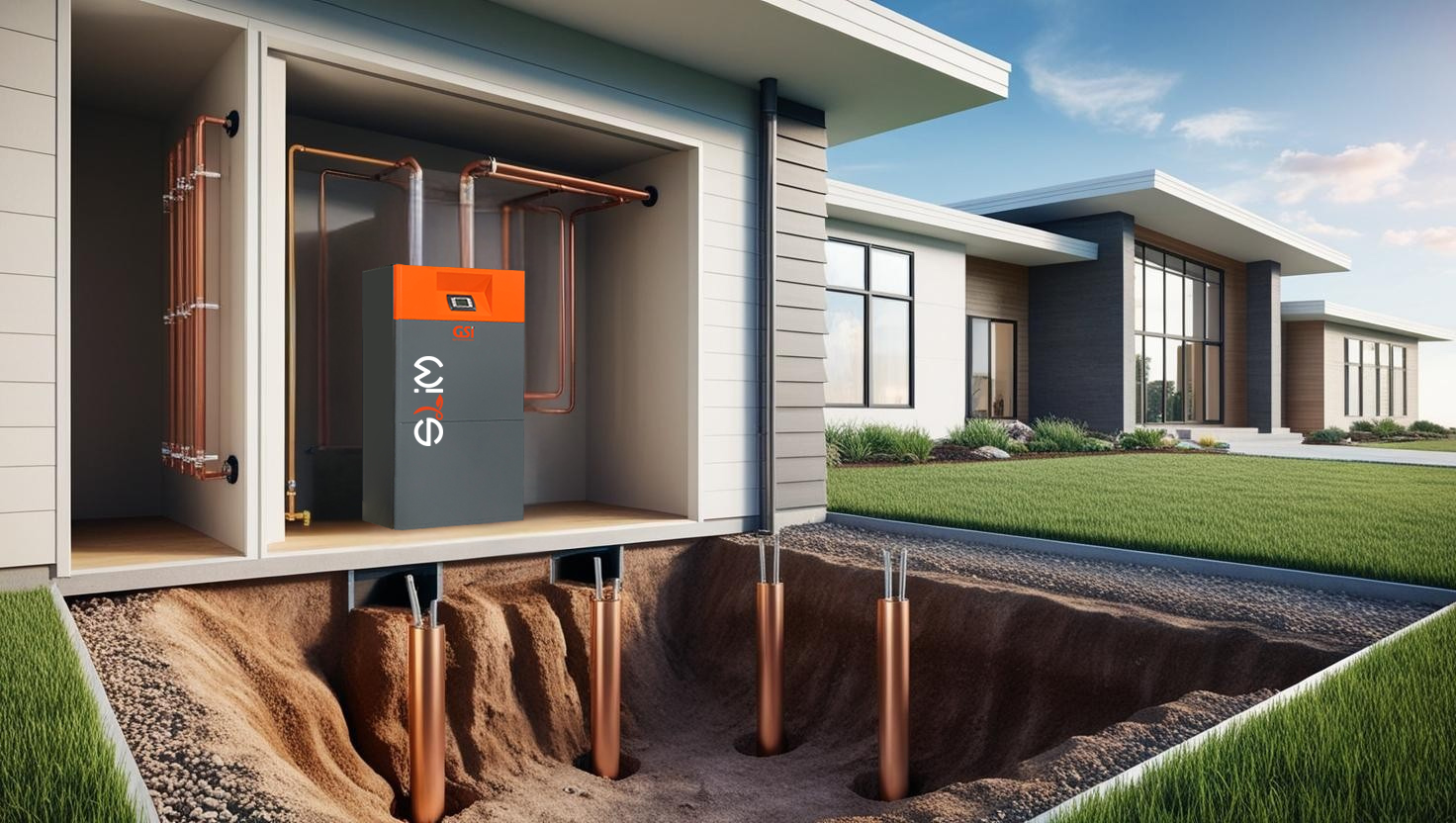
This technology harnesses the constant heat of the ground to heat and cool buildings, without any visual impact. The fully buried geothermal probes are connected to heat pumps that, operating under consistent conditions, deliver high performance with COP values above 5. The absence of visible outdoor units is its greatest strength—especially in settings where every architectural detail is protected.
Over the years, I’ve worked with various geothermal configurations, but for the most delicate projects, I always choose vertical probes. These deep boreholes (up to 150 meters) require minimal space and allow for complete restoration of the surrounding area. Horizontal probes are also effective but better suited to less constrained environments with more available space. Aquifer systems are highly efficient, though often complex to authorize.
A Concrete Example: The Tuscan Villa
One of the most representative projects was a villa from the early 20th century, located on a protected Tuscan hillside. The customer requested a full energy upgrade with no visible impact on the structure.
We installed three 120-meter vertical probes and a 20 kW water-to-water heat pump, all integrated into the existing technical room. The system provides underfloor heating, cooling, and domestic hot water. The result? High comfort, a 70% reduction in energy consumption, and no visible components: the system is completely “invisible”
The GSI AQUA MAGIS 123 – R32 Solution: High efficiency and discreet visibility
In a similar project, I selected the AQUA MAGIS 123 heat pump with R32 refrigerant—a cutting-edge water-to-water unit designed for complex residential applications. Its features make it ideal for sensitive architectural contexts:
- A single system for heating, cooling, and DHW: thanks to the “Magis” system, it can produce domestic hot water for free by recovering the normally dispersed waste heat.
- Continuous modulation of the compressor and circulation pumps.
- COP above 5.
- Quiet operation and optimized performance with inverter technology.
- Compatibility with photovoltaic systems.
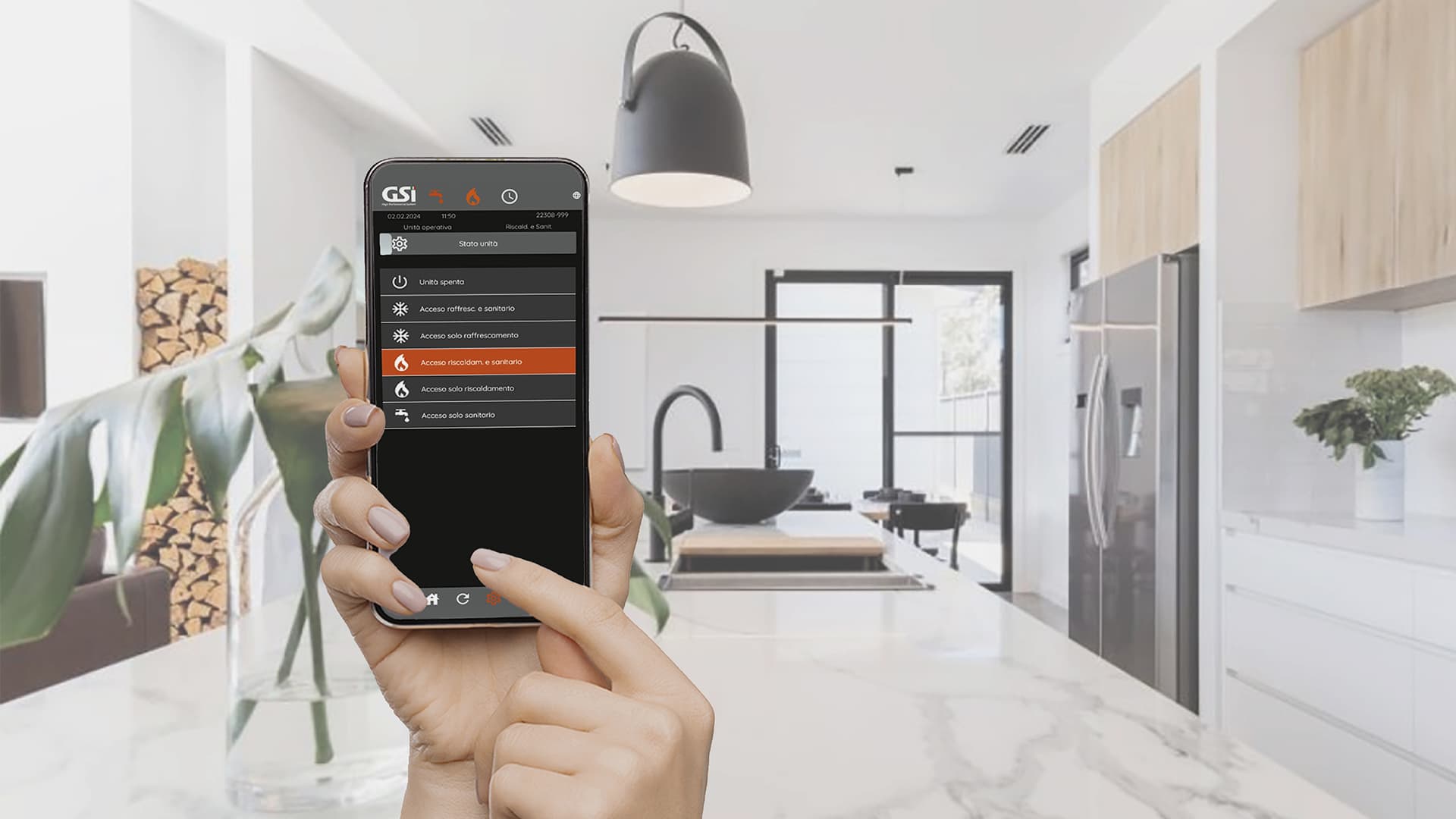
- Remote control via BT Connect platform.
- Compact size with integration of standard components.
These advantages allowed for seamless integration into a protected building, yielding significant savings and full approval from the heritage authority on the first submission.
Why I Choose (and Recommend) Geothermal Energy
There are five key reasons I increasingly recommend this technology:
- Total invisibility: no aesthetic impact.
- Zero local emissions: ideal for sensitive environments.
- Completely silent operation
- Long lifespan of probes (over 50 years)
- Possibility of integration with photovoltaics
While the upfront investment may seem high, payback periods are often under 10 years, thanks to substantial energy savings and available incentives.
A Word to Fellow Engineers
If you’re working in protected areas or on historic buildings, I strongly encourage you to consider vertical geothermal systems. This is a mature, discreet, highly efficient technology—fully recognized by preservation authorities. You won’t see it, but it makes a world of difference: in energy use, comfort, and the sustainability of the project.